Scottish food has shaken off its old reputation. No longer just haggis, neeps, and tatties served to tourists, though there’s nothing wrong with that combination when done properly. What I’ve witnessed over my years covering this sector is a genuine culinary renaissance rooted in quality ingredients, talented chefs, and a renewed appreciation for Scottish produce.
The farm-to-table movement found fertile ground here. Scotland’s natural larder, seafood from pristine waters, beef and lamb from Highland estates, game from managed estates, vegetables grown in challenging but rewarding conditions. Chefs aren’t importing mediocre ingredients when they have world-class products on their doorstep.
The Restaurant Scene
Edinburgh and Glasgow both boast Michelin-starred establishments that compete internationally. I’ve eaten at restaurants where the tasting menu tells a story about Scotland through each course. But I’m equally interested in the neighborhood bistros, the seafood shacks on the coast, the curry houses that reflect Scotland’s multicultural reality.
What excites me is seeing young chefs open restaurants outside the cities. Inverness, Dundee, Stirling, even smaller towns now have dining options that would have seemed impossible twenty years ago. The talent isn’t all fleeing to London anymore.
Whisky: Still the King
Scotland’s whisky industry continues to boom. I cover distillery openings, rare cask releases, debates about how technology and tradition can coexist. The global appetite for single malt shows no signs of diminishing.
But whisky isn’t the only spirit worth watching. Gin distilleries have proliferated across Scotland, each with its botanical signature. Craft vodka, rum aged in Scottish warehouses, even Scottish wine from hardy grape varieties. The drinks industry is innovating while respecting heritage.
Craft Beer and Beyond
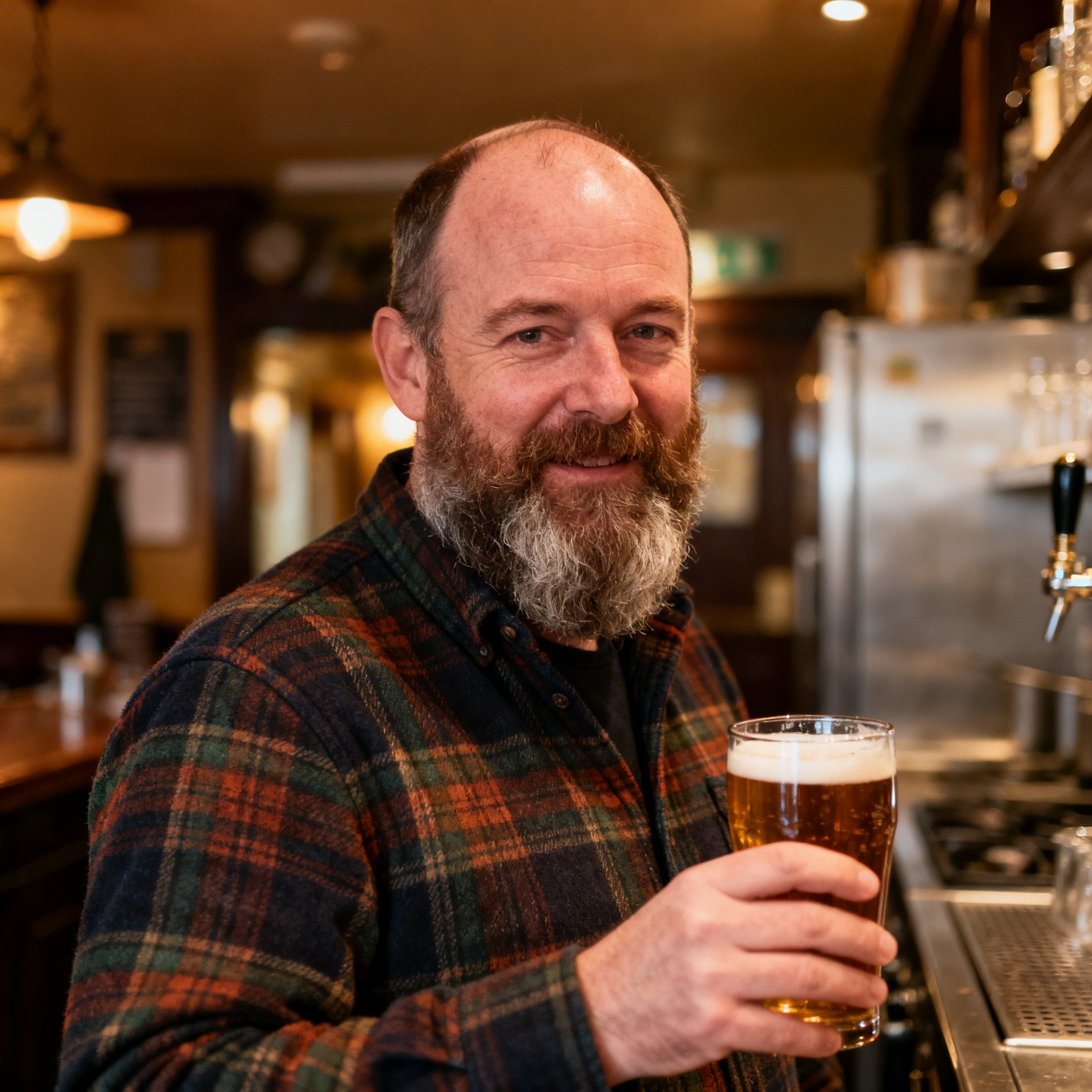
The craft beer revolution transformed Scottish drinking culture. BrewDog may be the most visible export, but I’m more interested in the small breweries producing exceptional beer for local markets. The variety available now compared to a decade ago is staggering.
Food Festivals and Producers
I spend a good portion of my year attending food festivals across Scotland. These events celebrate artisan producers, educate consumers, and create markets for specialty products. The cheesemakers, bakers, preservers, and farmers who show up represent the backbone of Scottish food culture.
Traditional fare still matters. A proper haggis, Aberdeen Angus beef, Stornoway black pudding. These aren’t museum pieces; they’re living traditions that coexist with innovation and experimentation. That’s what makes Scottish food and drink such a rich beat to cover.