I’ve been reading the papers lately, and frankly, it’s a bit of a mixed bag. On the one hand, there’s the seemingly endless parade of international crises, the kind that make you want to pull the curtains and pretend the world outside doesn’t exist. Then there are the domestic headlines, a more insidious kind of worry. Apparently, 50% of people are cutting back on spending. That’s a staggering figure, and it hits home here in Scotland, a nation that often feels the pinch more acutely than others. We’re not exactly awash in disposable income, are we? So, when I see articles about people drastically cutting back, it immediately sets my mind whirring about what that means for us, for our communities, and for the things that make Scotland, well, Scotland.
The Heart of the Community?
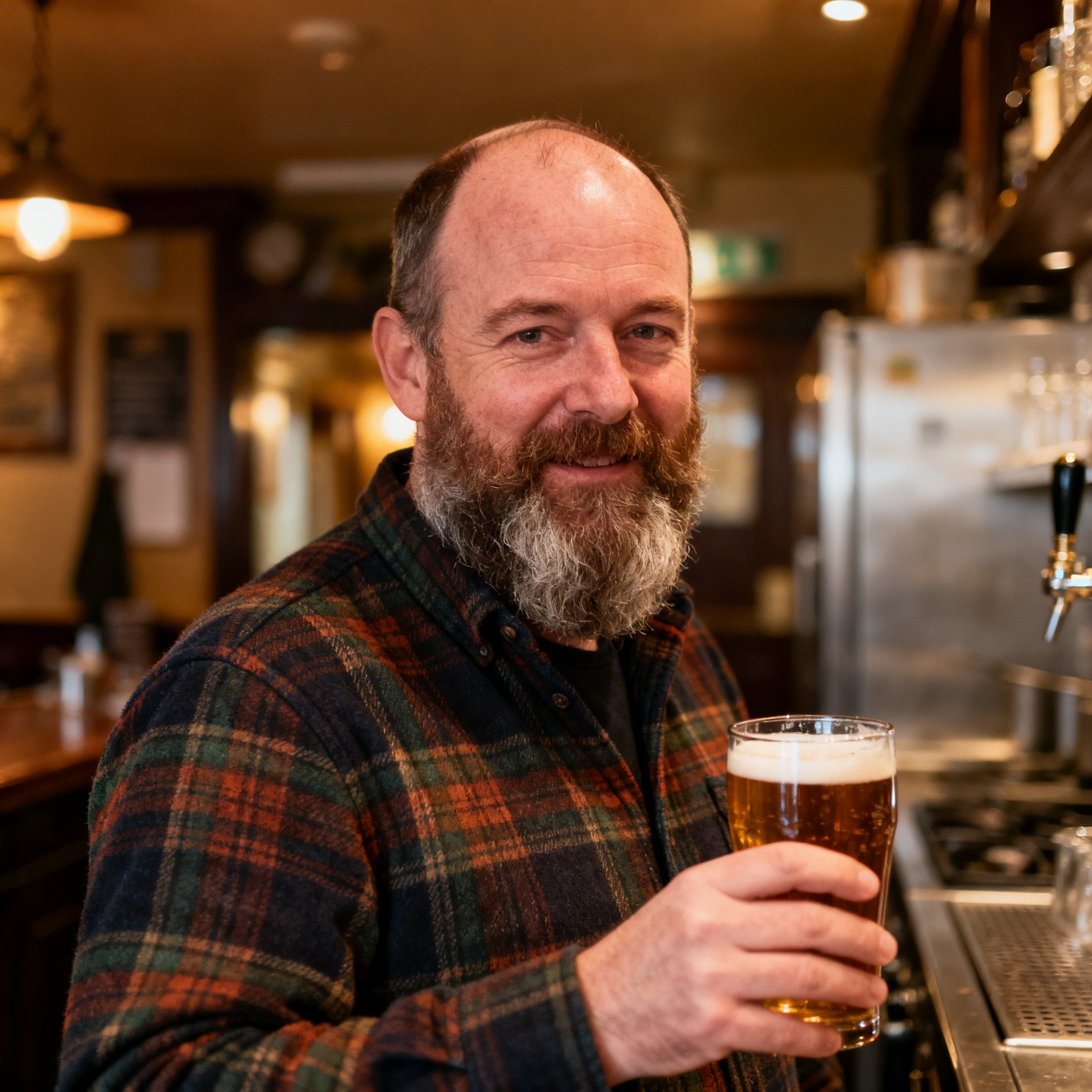
Amidst the economic gloom, a little spark of light appeared: the unveiling of Britain’s favourite pub names. Now, I’m not one to get overly sentimental about a sign on a building, but there’s something undeniably resonant about the pub. It’s more than just a place to get a pint; it’s often the beating heart of a village or a neighbourhood in our Scottish cities. I’ve spent many a happy hour in some of our most venerable establishments, the ones with names that whisper of history and local lore. These aren’t just businesses; they’re social centres, places where friendships are forged and where the day’s news is dissected with the kind of earnestness that only a dram or two can truly inspire. But with 50% of people cutting back, I have to wonder, are these beloved watering holes going to be the first casualties of austerity?
It’s easy to dismiss such concerns as trivial in the grand scheme of things, especially when compared to global conflicts. However, the erosion of these community hubs has a profound impact. Think about it. Where do people go when they want to feel connected, to escape the solitude of their own four walls? For many, it’s the pub. The local council might be grappling with budget cuts, but the intangible value of a strong, social infrastructure, often centred around places like pubs, is immeasurable. If we lose these spaces, what do we lose with them? A sense of belonging, perhaps? A shared identity?
From Pinch Of Nom to Public Revolt
Then, my attention snagged on a rather different kind of headline: recipes for losing weight FAST, specifically the Pinch Of Nom style. Now, I appreciate a good, hearty Scottish meal as much as the next person, but I also understand the modern pressures. We’re bombarded with messages about looking our best, especially as summer approaches, and for many, this means tighter budgets and a sharper focus on health. It’s a pragmatic response to economic reality. However, it also strikes me as a symptom of a wider trend: a growing disconnect between the everyday person and the established order. The mention of a “revolt against the public” in one of the articles really struck a chord. It’s as if the powers that be can’t quite fathom or accept that ordinary citizens might have their own ideas, their own priorities, and their own ways of living.
This sentiment feels particularly relevant to how we approach food and drink in Scotland. We have a rich culinary heritage, a source of national pride. Yet, are we, as ordinary citizens, being listened to when it comes to policies that affect our access to good, affordable food and drink? Or are we simply being told what’s best for us, perhaps through the lens of some faraway nutritionist or a distant government department? The very idea of a “pinch” – whether it’s a pinch of spice in a recipe or a pinch on our wallets – speaks to a shared experience of living within limits. It’s about making do, about finding joy and sustenance where we can.
The juxtaposition of these articles, from the names of our favourite pubs to the pursuit of a “fast” diet, paints a curious picture of contemporary Scotland. We’re a nation that cherishes its traditions, its social spaces, and its own particular brand of resilience. Yet, we’re also increasingly feeling the squeeze, forced to make pragmatic choices that might not always align with our deepest cultural inclinations. And perhaps, just perhaps, we’re starting to question whether the loudest voices are always the ones that truly understand our needs. I, for one, am pondering what truly nourishes us, both in body and in spirit, as we navigate these uncertain times.


