For a list of the current Friends of the Scottish Review, click here
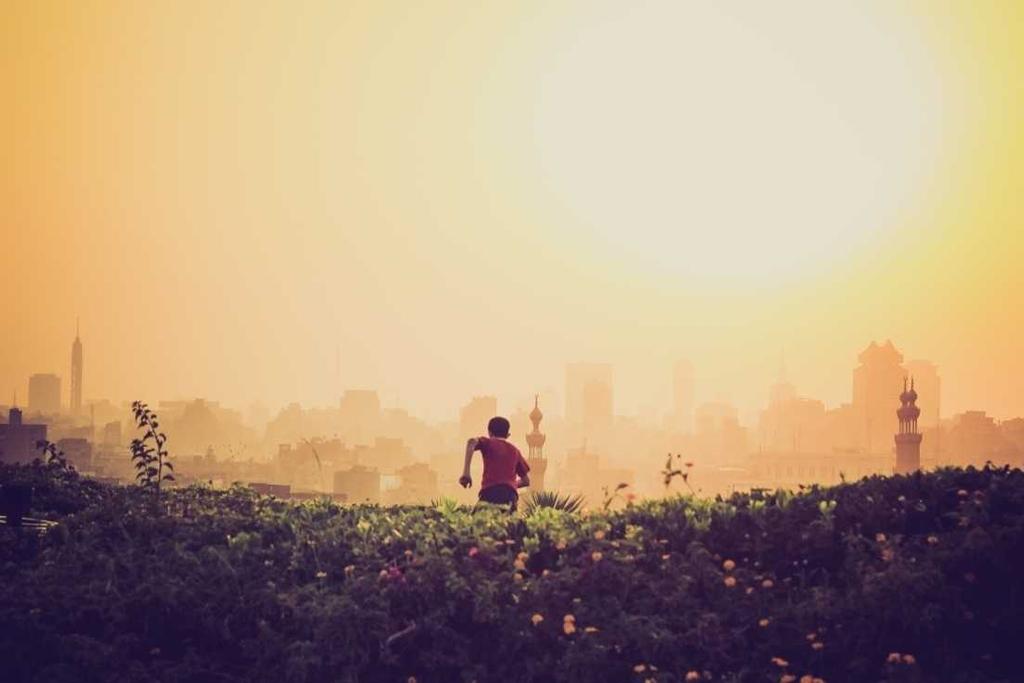
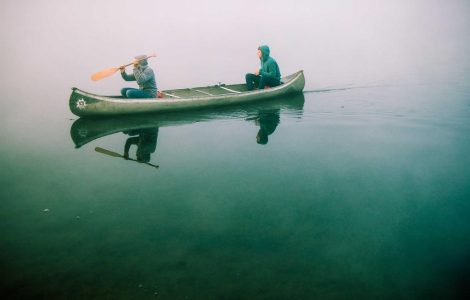
 Photograph by Islay McLeod
I was brought up in the country. For centuries, my family have lived in north-east Lancashire, latterly half way up a steep hill, wild moors above, the Cliviger gorge below. My father created a huge garden; the hayfield bloomed and dripped (Lancashire is wet wet wet); we had ponies, dogs, cats and, when Nanny wasn’t on the warpath, all the freedom in the world.
We rode our ponies without boundaries, walked wherever we chose and played without constraint. Our water came from a spring. Sometimes there was none because the cows’ needs came first. Other times, we had lots, mainly pouring through my bedroom ceiling. Once, when we all got spots, a dead rat was discovered in the tank. We fished it out and carried on. That’s what you do in the country.
Aged 10 I was sent off to boarding school in the south of England. St Mary’s Convent was in Ascot. Ascot is a town of paling fences and carefully circumscribed gardens. Yours, mine. Keep tidy. Keep to yourself. Dogs on leads. Water came from a municipal source. It was definitely not the country. I loathed it. At that time, and for many years afterwards, I regarded not living in the country as an aberration, something that would, when my life was settled, be rectified. I might live in the town for a bit, but the country was where I’d end up. This was just a truth, like bankers’ bonuses.
After I married and lived first in Edinburgh and then (still) Glasgow, we took the children for holidays to Lancashire, rented cottages in the middle of nowhere and got lost in the Lake District. Few of these holidays were perfect. That wasn’t their point: they were snatched previews of the life we would lead once our city life had come to an end. It was a gradual dawning, perhaps precipitated by a very direct question from an American friend who lives some miles from the nearest Tesco:
‘Gee, Katie, the country? Why on earth?’.
I listed my reasons: space, birds, pace of life, a horse, dogs, trees, quiet, nice air – you know the kind of things.
‘Right,’ she said. ‘And you’re fond of driving?’
‘Er, no.’
‘You like not drinking when you go out to dinner?’
‘Er, no.’
‘You like gardening?’
‘Loathe it.’
‘You prefer cinema, theatre, concerts and opera?’
‘Yes.’ I was glad to be positive.
‘And how long does it take you to get to any of these things now?’
‘Twenty minutes max on public transport.’
‘And you want to swap that for two hours travel and 40 minutes finding a parking space?’
She set something in motion. We can’t afford a horse. We already have dogs, space, trees, birds and I’d miss the noisy mating rituals of the Glaswegian drunks. We love our holidays at a sister’s house on the North Yorkshire moors, but even getting the milk involves the car and my husband and I are hopeless together in the car. Organisation and traffic jams, those staples of country life, we find a stressful no-no. And, oh dear, best admit it, when I’m a bit blue, I prefer shopping to walking, whatever the view. In addition, we like to feel that one day we might become spontaneous. I think this can only happen in the town. In the country, being spontaneous requires planning. We can’t do that – at least not together and I don’t really want a divorce.
Then there’s the cost. According to the National Farmers’ Union Countryside Living Index, the cost of living has risen 7.7% in the countryside compared with 4.3% in the UK as a whole, with the difference between town and country living in Scotland even greater. Richard Percy, the NFU chairman, speaks of the countryside offering ‘better quality of life’. But laying aside my childhood nostalgia and dreams of a rural old-age, what does that mean? In purely financial terms, nothing. Indeed, the CLI says there’s a ‘rural premium’ of ‘an estimated 5-10%’ charged on perfectly ordinary goods like meat, tea and coffee. Heating oil is like gold. Then there’s fuel for the car. Stuffed there.
Visiting the country, on the other had, is a joy. When we go to Yorkshire later this year, we’ll have raspberries from the garden, feed the geese in our dressing-gowns and bicker gently, or not so gently, over who’s going to fetch the milk. When we open the wine (assuming we’ve remembered it since it would be a 20-mile round trip, not just a nip out the back gate, to get some more) we’ll toast our American friend. Though I’d once never have believed it, she was absolutely right: the country is for holidays, the city is for life.